
Malshej Ghat Monsoon Guide: Waterfalls, Flamingos & Best Hotel to Stay

Malshej Ghat is one of Maharashtra’s most breathtaking mountain passes, nestled deep in the Sahyadri (Western Ghats) at an elevation of approximately 700 metres above sea level. Situated on the Pune–Nashik highway (NH753E) and just 15 km from Junnar, Malshej Ghat is a destination that transforms dramatically with every season — but it is during the monsoon (June to September) that it reveals its most spectacular avatar: cascading waterfalls, mist-draped valleys, vibrant wildflowers, ancient forts barely visible through the clouds, and thousands of rare migratory Flamingo birds that travel here every year from the Rann of Kutch.
Why Malshej Ghat is Maharashtra’s Monsoon Crown
When the Southwest Monsoon hits the Sahyadri ranges in June, Malshej Ghat undergoes a magical transformation. Dozens of waterfalls suddenly appear on either side of the mountain road, some plunging directly onto the road itself. The ancient Pimpalgaon Joga Dam fills up, surrounded by impossibly green hills. Clouds roll through the valleys at eye level, sometimes enveloping your car completely. The iconic pinkish-white Flamingos arrive by the hundreds, wading through shallow pools near the dam. For Mumbaikars and Punekars, Malshej Ghat is the ultimate weekend monsoon escape — close, accessible, and overwhelmingly beautiful.
Flamingos at Malshej Ghat — A Rare Wildlife Experience
One of Malshej Ghat’s most beloved and unique attractions is the annual migration of Greater and Lesser Flamingos between July and September. These elegant pink birds arrive from the Rann of Kutch in Gujarat, attracted by the shallow water bodies and algae-rich pools near Pimpalgaon Joga reservoir. Hundreds of flamingos can be seen at dawn and dusk, their pink plumage glowing against the grey monsoon skies. Alongside flamingos, birdwatchers can spot Painted Snipes, Quails, Common Crakes, Buttonquails, and dozens of other migratory species that visit the Sahyadri during the rains.
Things to Do at Malshej Ghat
Birdwatching near Pimpalgaon Joga Dam is the signature Malshej Ghat activity, especially at sunrise and sunset during monsoon. Waterfall chasing along the Pune–Nashik highway rewards travellers with spontaneous natural wonders — some waterfalls flow directly across the road. Photography of the mist, valleys, and flora is world-class material. Trekking to Harishchandragad, one of Maharashtra’s most revered and challenging forts, begins from near Malshej. Visiting Pimpalgaon Joga reservoir offers tranquil views and excellent bird photography. The scenic drive itself, particularly the 20 km stretch from the ghat base to the plateau, is a highlight for road trip enthusiasts.
Harishchandragad: The Trek Near Malshej Ghat
Harishchandragad is one of Maharashtra’s most iconic forts and is accessed via the Malshej Ghat area. The fort features the spectacular Konkan Kada cliff — a concave escarpment that drops sheer for over 1,500 feet into the Konkan valley below, creating a natural amphitheatre of breathtaking proportions. The Kedareshwar cave on the fort has a Shiva lingam surrounded by water year-round. The trek is rated difficult and suitable for experienced trekkers. It requires a 2-day overnight trip with camping on the fort.
How to Reach Malshej Ghat from Pune & Mumbai
From Pune: Drive 120 km northeast via NH753E (Pune–Nashik Highway) through Narayangaon and Junnar. The drive takes approximately 2.5 to 3 hours. From Mumbai: Drive 150 km via Kalyan, Murbad, and the Malshej Ghat ascent road. The drive takes approximately 3 hours. MSRTC state buses run daily between Pune (Shivajinagar), Nashik, and Junnar via Malshej Ghat. Private taxis and car rentals from Pune and Mumbai are popular options for groups.
Malshej Ghat Beyond Monsoon — Winter & Summer Visits
While monsoon is the peak season, Malshej Ghat is worth visiting year-round. In winter (October–February), the air is crystal clear, the dam is full, and the ghat road offers some of Maharashtra’s finest sunset views with the amber light falling across the valleys. In summer (March–May), the waterfalls recede but the ghat’s height keeps temperatures 5–8°C cooler than Pune and Mumbai — making it a refreshing escape from the summer heat.
Malshej Ghat + Junnar: The Perfect 2-Day Itinerary
The ideal way to experience Malshej Ghat is as part of a 2-day Junnar trip. Day 1: Drive from Pune to Junnar via Narayangaon. Check in at Fulgulab Lawns & Homestays. Visit Shivneri Fort in the afternoon. Explore Junnar’s ancient Buddhist caves. Enjoy a traditional Maharashtrian dinner. Day 2: Early morning visit to Lenyadri (Girijatmaj Ganpati) before the crowds. Drive 15 km to Malshej Ghat for birdwatching, waterfall spotting, and photography. Lunch at the ghat. Return to Pune via the scenic Mumbai–Nashik highway. This 2-day route packs in heritage, spirituality, trekking, and nature in one effortless trip.
Best Hotel Near Malshej Ghat — Fulgulab Lawns & Homestays, Junnar
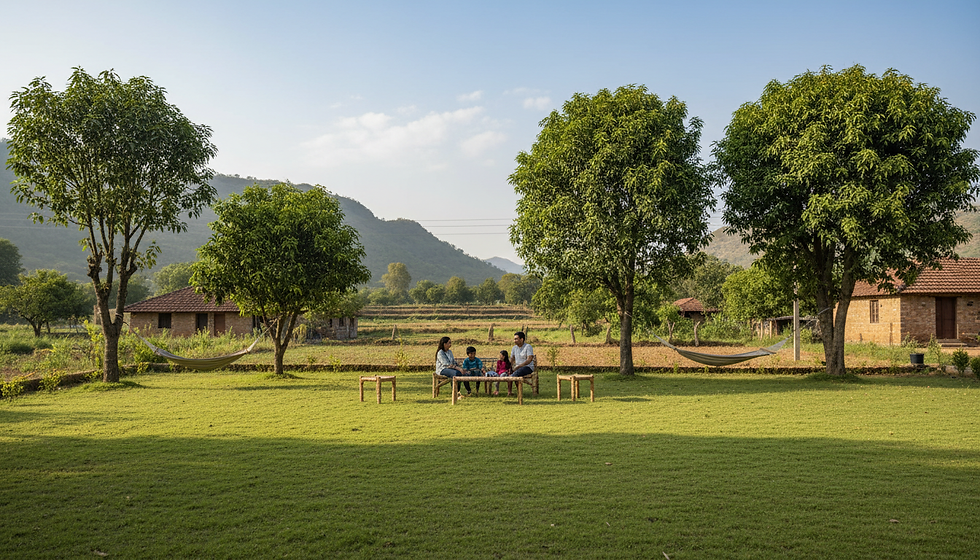
Fulgulab Lawns & Homestays in Junnar is the closest and most recommended hotel for travellers exploring Malshej Ghat. Just 15 km from the ghat, our farmstay sits amidst lush greenery and offers a serene, comfortable retreat after a day of adventure. We offer spacious rooms, beautiful lawns, home-cooked Maharashtrian meals, and personalised service. We can arrange early morning drop to Malshej Ghat for the sunrise birdwatching experience — one of the most unforgettable experiences in all of Maharashtra.
Monsoon rooms at Fulgulab Lawns fill up quickly — especially on weekends between July and September. Book your stay early at fulgulablawns.com and make your Malshej Ghat getaway truly special.


Comments